In today's digital age, read manga has become more accessible and popular than ever before, opening up a world rich with diverse stories, vibrant art styles, and passionate communities. Whether you're a curious newcomer or a seasoned manga enthusiast, understanding the vast landscape of manga can dramatically enhance your appreciation and enjoyment. This comprehensive guide is designed to help you navigate the ins and outs of manga—from where to read it legally online to understanding its varied genres, styles, and cultural impact.
Exploring the World of Manga: A Comprehensive Guide
Manga, a form of comic or graphic novel originating from Japan, has long been celebrated for its unique storytelling techniques and exceptional artistic craftsmanship. It encompasses a wide range of genres, appealing to readers of all ages, interests, and backgrounds. From heartwarming romance to intense action and philosophical musings, manga offers a universe where imagination and creativity thrive. Exploring manga means immersing yourself in stories that often reflect societal issues, personal growth, and cultural values, making it not just entertainment but also an insightful reflection of Japanese society and beyond.
Diving into the world of manga involves understanding its format, cultural significance, and the various ways it shapes global pop culture. As manga continues to evolve and inspire adaptations into anime, movies, and merchandise, it’s clear that its influence extends far beyond the pages of a comic book. For new readers, the journey can seem overwhelming, but with the right guidance, you can find your niche and truly appreciate what makes manga so captivating.
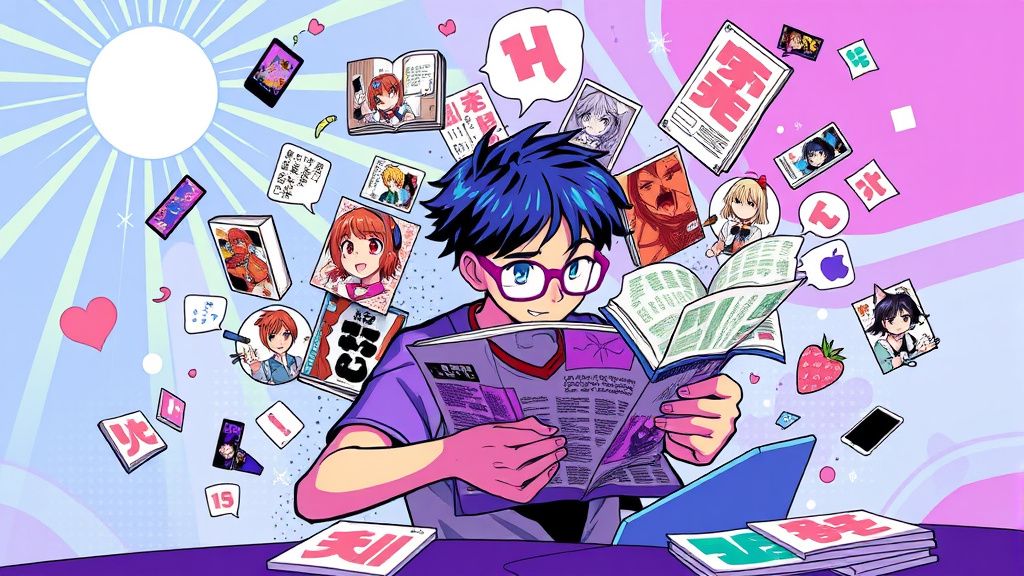 Hình minh họa: top manga of all time – read manga
Where to Read Manga Online: Legal and Convenient Options
In the digital era, manga has become incredibly accessible, with numerous online platforms offering vast libraries of titles. However, choosing legal sources ensures that creators are compensated for their hard work and that you're accessing high-quality, safe content. Websites like VIZ Media, Shonen Jump, Kodansha, and Crunchyroll serve as excellent platforms where you can read manga both free and via paid subscriptions, often with simulpubs that release chapters simultaneously with Japan. Many of these platforms also offer appealing app versions for reading on the go, making manga accessible anytime, anywhere.
Convenience doesn't have to conflict with legality. Several apps and sites provide ad-supported options, offering a way to enjoy manga without a subscription, while premium memberships unlock chapters faster, enhanced features, and access to exclusive content. Additionally, some public libraries partner with digital services like Hoopla and OverDrive, providing free access to manga collections for cardholders. By choosing legitimate avenues, you support the creators and publishers—essential for the continued growth and diversity of the manga industry.

The Best Manga Genres to Dive Into: A Reader's Recommendation
Manga spans an incredible spectrum of genres, ensuring there's something for everyone. If you're new to manga, exploring popular genres can help you find stories that resonate with your interests. Action and adventure manga like One Piece and Attack on Titan thrill readers with high-stakes battles and epic world-building. Romantic manga such as Fruits Basket and Your Lie in April explore heartfelt relationships and emotional growth, while slice-of-life series depict everyday struggles and triumphs, offering relatable narratives.
For those interested in more niche genres, seinen manga like Vagabond and Berserk delve into mature themes and complex characters. Shojo manga targets younger female audiences with stories centered around romance and personal development, exemplified by classics like Nana or Cardcaptor Sakura. Furthermore, genres like horror (Tokyo Ghoul), sports (Haikyuu!!), and comedy (Gintama) demonstrate the incredible versatility of manga storytelling. Trying out different genres allows readers to broaden their horizons and discover stories that stir their passions.
Understanding Manga Styles: From Shonen to Shojo and Beyond
Manga styles are often categorized into demographic groups based on target audiences and thematic content, with each style offering distinctive storytelling and visual elements. Shonen manga, targeted primarily at young boys, tends to feature energetic action scenes, friendship, and perseverance, as seen in My Hero Academia and Dragon Ball. Shojo manga, aimed at young girls, emphasizes romance, emotional nuance, and character development, with series like Sailor Moon and Kimi ni Todoke exemplifying this style.
Beyond these mainstream categories, there’s seinen manga designed for adult men, which often tackle complex themes, darker stories, and mature humor—Hellsing and Vagabond are good examples. Likewise, josei manga caters to adult women, portraying realistic relationships and life challenges, seen in titles like Nana and Chihayafuru. Artistic styles across manga vary greatly as well, from the detailed, realistic depictions in Vagabond to the more stylized and expressive characters in One Piece. Appreciating these stylistic differences enriches the reading experience and deepens understanding of manga as an art form.
Manga vs. Anime: Exploring the Differences and Similarities
While manga and anime are often interconnected, they are distinct media with unique strengths and storytelling approaches. Manga—being static visuals with text—provides a director’s canvas for detailed artwork and a slower, more contemplative narrative pace. It allows readers to interpret characters' emotions and scenes at their own speed. Anime, on the other hand, introduces dynamic motion, voice acting, sound effects, and music, creating a multisensory experience that can amplify emotional impact and action sequences.
Despite their differences, manga and anime often complement each other. Many popular anime are adaptations of manga, serving as a gateway for newcomers to discover the original material. Conversely, some manga series are born from successful anime, expanding on stories or characters in print. While anime tends to reach a broader audience through broadcasts and licensing, manga maintains the artistic integrity and original storytelling from the creator’s vision. Both media inspire fans worldwide and contribute to a richer, more robust manga culture.
The Impact of Manga on Global Culture: A Growing Phenomenon
Over the past decades, manga has transformed from a niche entertainment form into a global cultural phenomenon. Its influence extends beyond comic book pages, shaping fashion, music, art, and even literature. Prominent series like Naruto and Attack on Titan have inspired countless adaptations, merchandise, conventions, and fan communities worldwide. This international appeal is driven by the universal themes, captivating stories, and distinctive aesthetic that resonate across cultures and languages.
From the West Coast to Europe and Southeast Asia, manga has fostered cross-cultural exchanges, with local artists creating works inspired by Japanese styles and themes—a testament to its worldwide influence. Additionally, manga's worldwide popularity has contributed to a more inclusive and diverse depiction of characters and stories, challenging stereotypes and broadening representation. Its impact is evident not merely in entertainment, but also in the way it fosters global conversations about culture, identity, and creativity.
Tips for New Manga Readers: Getting Started and Finding Your Favorites
Starting your manga journey can feel overwhelming due to the sheer volume of titles and genres available. The best approach is to start with popular, highly recommended series that align with your personal interests. For example, if you enjoy action, give My Hero Academia a try; if romance appeals to you, Fruits Basket is a gentle introduction. Reading manga in small doses initially can help prevent burnout and foster meaningful engagement, encouraging you to explore various genres gradually.
Another helpful tip is to join online manga communities, forums, or social media groups—these spaces often provide recommendations, reviews, and insights that can guide your selections. Keep an open mind and be patient; discovering the manga that truly resonates with you takes time. Lastly, support the industry by reading legal sources, purchasing physical copies when possible, and engaging with fans respectfully. The more you immerse yourself thoughtfully, the more rewarding your manga experience will become.
Manga Translation and Scanlation: Navigating the Options
One of the unique aspects of manga’s global popularity is the phenomenon of scanlation—fan translations of manga, often done in unofficial groups to make titles accessible across languages. While scanlation has played a significant role in spreading manga culture outside Japan, it exists in a legal gray area that can infringe upon the rights of creators and publishers. As a responsible reader, supporting official translations is crucial to ensuring that manga artists and publishers receive proper compensation for their work, allowing the industry to thrive.
However, official translations are now more readily available than ever, with many publishers investing in high-quality localizations. These official releases guarantee accurate translations, professional artwork presentation, and support the industry’s growth. If you’re seeking manga in your native language or want to explore titles that haven't been officially translated, patience and community involvement can sometimes bridge the gap. Ultimately, balancing respect for copyright law with a passion for reading can help foster an environment where manga continues to flourish globally.
The History of Manga: From Humble Beginnings to Global Domination
Manga’s origins trace back centuries, with early Japanese art stylings like emakimono (painted handscrolls) and ukiyo-e (woodblock prints) laying the groundwork for modern manga aesthetics. The development of manga as a distinct form began in the post-World War II era, with influential artists like Osamu Tezuka—often called the "God of Manga"—pioneering storytelling techniques and character-driven narratives. His work, including Astro Boy, set the standard for modern manga's style and pacing.
Throughout the late 20th and into the 21st century, manga expanded beyond Japanese borders, fueled by international partnerships, translations, and the internet. The rise of manga magazines, such as Weekly Shonen Jump, revolutionized serial storytelling and marketing. Today, manga’s industry is a multi-billion-dollar enterprise, with millions of fans globally consuming millions of copies annually. Its growth mirrors broader shifts in media consumption, blending traditional art with digital innovation, and ensuring manga remains a dynamic, evolving art form that continues to influence global pop culture.
Beyond Reading: Engaging with the Manga Community
Reading manga can be a solitary enjoyment, but engaging with the community adds layers of richness to your experience. Online forums, social media groups, and conventions provide spaces where fans share recommendations, fan art, theories, and cosplay. Participating in manga-related discussions often leads to discovering new titles, gaining insights into artistic techniques, and forming friendships with like-minded individuals. The collective enthusiasm can deepen your appreciation and broaden your perspective on the cultural nuances embedded within manga.
Active engagement also involves supporting creators by purchasing official copies, attending events, and advocating for the industry’s well-being. Creating or sharing fan art, participating in discussion threads, or even starting your own manga review blog contributes to a vibrant and supportive community. As manga continues to grow and diversify, fostering connections within this fandom enriches the experience, making read manga not just a hobby, but a gateway to a global, creative, and welcoming culture.
Conclusion
In summary, exploring the world of manga offers an exciting journey through diverse genres, storytelling styles, and cultural impacts. Whether you're reading legally online, engaging with communities, or simply appreciating the artistry, manga provides a compelling way to connect with stories and cultures around the globe. Its history, influence, and ongoing evolution demonstrate its vital role in global entertainment and art. Embracing this vibrant medium with respect, curiosity, and passion will ensure your manga journey remains rewarding and inspiring for years to come.